Uncategorized

Facebook and instagram ads

The Ultimate Beginner’s Guide to Running Facebook and Instagram Ads in 2025 (Boost Your Business with Ease!)

Beginner’s Guide to Run Facebook and Instagram Ads Social media advertising is one of the most effective ways to grow your business in 2025. Platforms like Facebook and Instagram provide powerful tools to reach your target audience, generate leads, and boost sales. However, if you are new to paid social advertising, it can feel overwhelming. This beginner’s guide will walk you through the basics of running Facebook and Instagram ads successfully and help you start your campaigns with confidence. 1. Why Advertise on Facebook and Instagram Facebook and Instagram have billions of active users combined, making them ideal platforms for businesses of all sizes. Benefits of social media ads:– Highly targeted audience based on demographics, interests, and behaviors– Cost-effective advertising with flexible budgets– Detailed analytics to track performance and optimize campaigns– Ability to drive traffic, leads, and sales directly from social media Advertising on these platforms allows you to connect with users where they spend most of their time online. 2. Create a Business Account Before running ads, you need a Facebook Business Manager account. Instagram ads are run through Facebook Ads Manager, so linking your Instagram account is essential. Steps to set up:– Go to Facebook Business Manager– Create a business account with your company information– Add your Facebook Page and link your Instagram account– Set up payment methods for ad campaigns A business account ensures that your ads run professionally and are trackable. 3. Define Your Advertising Goals Every ad campaign should start with a clear goal. Facebook and Instagram allow you to choose objectives that match your business needs. Common goals include:– Brand awareness: Reach more people and increase visibility– Traffic: Drive users to your website or landing page– Engagement: Get more likes, comments, and shares– Lead generation: Collect emails and contact information– Sales or conversions: Increase purchases of your products or services Choosing the right goal ensures your ads are optimized for the desired outcome. 4. Understand Your Target Audience Targeting is the strength of Facebook and Instagram advertising. To make your campaigns effective, define your audience carefully. Targeting options include:– Demographics: Age, gender, location, and language– Interests: Hobbies, pages liked, and online behavior– Custom audiences: Upload your existing customer list– Lookalike audiences: Reach people similar to your best customers Precise targeting ensures that your ads are shown to the people most likely to take action. 5. Design Eye-Catching Ads Your ad creative is what grabs attention. Both visuals and copy must be appealing and aligned with your brand. Tips for ad design:– Use high-quality images or short videos– Keep text concise and clear– Include a strong call-to-action (CTA)– Match your ad style to the platform (Instagram is more visual, Facebook allows more text) Good creative increases engagement and improves your ad performance. 6. Set Your Budget and Schedule Facebook Ads Manager allows you to control how much you spend and when your ads run. Budget options:– Daily budget: Spend a fixed amount each day– Lifetime budget: Spend a set amount over the campaign duration Scheduling tips:– Test different times of the day for ad delivery– Run ads during peak hours for your target audience Starting with a small budget is ideal for beginners to learn and optimize without overspending. 7. Track and Measure Results Monitoring ad performance is key to improving results. Facebook Ads Manager provides detailed metrics for each campaign. Important metrics to track:– Impressions: How many people saw your ad– Click-through rate (CTR): How many clicked your ad– Cost per click (CPC): How much each click costs– Conversions: How many users completed the desired action– Return on ad spend (ROAS): Revenue generated vs. ad cost Analyzing these metrics helps you understand what works and what needs improvement. 8. Test and Optimize Your Ads No ad is perfect on the first try. Testing and optimization are critical to getting the best results. Optimization tips:– Run A/B tests for images, videos, copy, and CTAs– Adjust targeting based on audience performance– Pause underperforming ads and increase budget on successful ones– Experiment with ad formats like carousel, stories, and reels Continuous testing ensures that your campaigns become more effective over time. 9. Use Retargeting Retargeting is one of the most powerful strategies in social media advertising. It allows you to reach people who have already interacted with your business. Retargeting strategies:– Show ads to website visitors who didn’t purchase– Target people who engaged with your social media posts– Offer special discounts or promotions to warm leads Retargeting increases the chances of conversion because you are reaching users already familiar with your brand. 10. Stay Updated with Trends Facebook and Instagram frequently update their ad platforms. Staying informed about new features, ad formats, and best practices ensures your campaigns remain effective. Tips:– Follow official Facebook Business and Instagram blogs– Join online communities for marketers– Test new ad formats and tools as they are released Keeping up with trends helps you maintain a competitive edge in 2025. Contact us Final Thoughts Running Facebook and Instagram ads can be highly effective for businesses in 2025. By setting clear goals, understanding your audience, creating engaging ads, and continuously optimizing campaigns, beginners can achieve measurable results. Start small, test different strategies, and scale your efforts as you gain confidence. Social media advertising is a skill, and with patience and practice, it can become one of your most powerful tools to grow your business online.
The Ultimate Beginner’s Guide to Running Facebook and Instagram Ads in 2025 (Boost Your Business with Ease!) Read More »

The Importance of Branding in Digital Marketing: Why Your Business Needs a Strong Brand in 2025

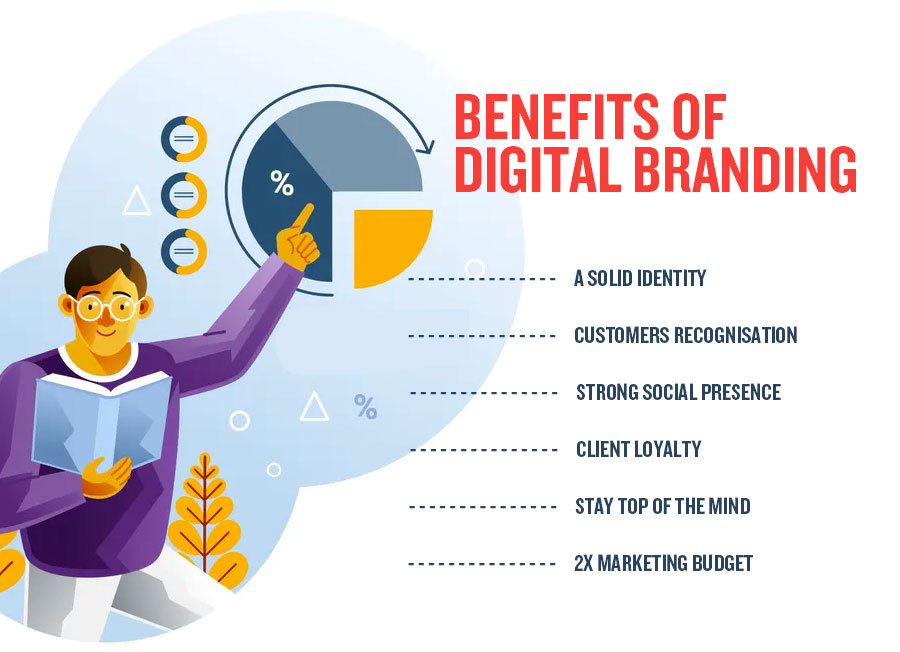
The Importance of Branding in Digital Marketing In today’s competitive digital landscape, branding is more than just a logo or a color scheme. Branding in digital marketing is about creating a unique identity that distinguishes your business from competitors and builds trust with your audience. A strong brand not only attracts customers but also keeps them loyal in the long run. In this article, we’ll explore why branding is crucial in digital marketing and how businesses can leverage it to grow successfully in 2025. 1. Branding Builds Recognition A recognizable brand makes it easier for potential customers to remember your business. In a crowded online space, standing out is essential. How branding helps:– Consistent use of logos, colors, and fonts across platforms increases recognition.– A strong brand identity helps users immediately associate your products or services with your business.– Recognition builds trust and encourages repeat visits. When customers remember your brand, they are more likely to choose you over competitors. 2. Branding Creates Trust Trust is a key factor in purchasing decisions. Consumers prefer brands they recognize and trust. Ways branding builds trust:– Professional and consistent visual identity– Clear messaging that reflects your values– Positive online reviews and testimonials A well-established brand conveys credibility, which can improve conversions and customer loyalty. 3. Branding Helps Define Your Unique Value Your brand communicates what makes your business different. This unique value proposition is crucial in digital marketing. How to showcase your unique value:– Highlight what sets your product or service apart– Use storytelling to connect emotionally with your audience– Emphasize your brand mission and vision A clear brand message ensures that your audience understands why they should choose you. 4. Branding Enhances Digital Marketing Efforts A strong brand amplifies the effectiveness of all digital marketing channels, including social media, email marketing, and SEO. Examples:– Social media posts with consistent branding perform better and build recognition.– Branded email campaigns increase open rates and engagement.– SEO content that reflects your brand voice strengthens authority and credibility. When your brand is consistent, all marketing efforts work together to create a cohesive experience. 5. Branding Increases Customer Loyalty A recognizable and trusted brand encourages repeat business. Customers are more likely to return to brands they know and feel connected to. Tips for building loyalty through branding:– Deliver consistent quality and experience– Engage with your audience regularly on social media– Reward loyal customers through programs or personalized offers Loyal customers also become brand advocates, helping spread your message organically. 6. Branding Improves Perceived Value A strong brand can make your products or services appear more valuable. Customers are often willing to pay a premium for trusted and recognizable brands. How branding adds value:– Professional design and messaging create a sense of quality– Strong storytelling makes your brand memorable– Reputation and authority in your niche build credibility A higher perceived value allows businesses to compete effectively, even in price-sensitive markets. 7. Branding Supports Social Media Marketing Social media is one of the most powerful digital marketing channels. Branding ensures your content stands out in feeds and builds engagement. How to use branding on social media:– Maintain consistent visuals and voice across platforms– Use branded hashtags and graphics– Share stories that reflect your brand values Consistent branding on social media increases engagement and helps your audience connect with your business emotionally. 8. Branding Helps During Crises A strong brand can help businesses survive challenging times. When your audience trusts your brand, they are more likely to stick with you even during setbacks. Examples of brand resilience:– Clear communication during product issues or delays– Maintaining values and transparency during controversies– Consistent customer support and engagement A trusted brand ensures customer confidence and loyalty, even in difficult situations. 9. Branding Affects Long-Term Growth Businesses with strong brands enjoy sustainable growth. Branding isn’t just a marketing tactic; it’s a long-term investment that pays off over time. Long-term benefits include:– Higher customer retention– Increased referrals and organic growth– Easier expansion into new products or markets Companies that prioritize branding in their digital marketing strategy are better positioned for long-term success. 10. Branding Creates Emotional Connections Finally, branding allows you to connect emotionally with your audience. Emotional connections drive purchasing decisions and create lasting relationships. Ways to create emotional connections:– Share stories that resonate with your audience– Show your brand personality and values– Celebrate customer successes and milestones When customers feel emotionally connected, they become loyal advocates who promote your brand naturally. Contact us Final Thoughts Branding is no longer optional in digital marketing; it is a necessity. From building recognition and trust to improving customer loyalty and perceived value, a strong brand enhances every aspect of your online presence. By focusing on consistent messaging, visual identity, and emotional engagement, businesses in 2025 can stand out in a crowded digital marketplace and achieve long-term growth. Investing in branding today will ensure your business not only attracts customers but keeps them loyal for years to come.

The Importance of Branding in Digital Marketing: Why Your Business Needs a Strong Brand in 2025 Read More »

Video Marketing

Why Video Marketing Is Crucial for Business Growth in 2025

Why Video Marketing Is Important for Business in 2025 Video marketing has become one of the most powerful tools for businesses in 2025. With attention spans shrinking and online content consumption growing rapidly, videos allow companies to communicate their message quickly, effectively, and memorably. From social media to websites and email campaigns, videos help businesses engage audiences, increase brand awareness, and boost sales. In this article, we explore why video marketing is essential for business in 2025 and how you can use it to stay ahead of your competitors. 1. Videos Increase Engagement Videos are more engaging than text or images alone. Viewers are more likely to watch, share, and comment on videos, making them perfect for building brand awareness and audience interaction. Key points:– People retain 95% of a message when they watch it in a video versus 10% when reading text.– Social media platforms prioritize video content, increasing reach.– Live videos, tutorials, and stories generate higher engagement than static posts. By creating compelling video content, businesses can capture attention and keep their audience interested longer. 2. Videos Improve Conversion Rates Video marketing can directly impact sales. Adding videos to product pages or landing pages increases conversions significantly. How videos boost conversions:– Explainer videos help potential customers understand your products or services.– Customer testimonial videos build trust and credibility.– Short promotional videos create a sense of urgency and encourage action. Studies show that websites with videos can increase conversion rates by up to 80%, making video marketing a must-have for 2025. 3. Videos Enhance SEO and Online Visibility Search engines love video content. Using videos on your website or YouTube can improve your search rankings and drive more organic traffic. SEO benefits of videos:– Websites with videos are more likely to appear on the first page of Google.– Video thumbnails increase click-through rates in search results.– YouTube, the world’s second-largest search engine, allows you to target users with video content. By optimizing video titles, descriptions, and tags, businesses can increase visibility and attract new customers. 4. Videos Build Brand Trust and Credibility Trust is crucial in business, and videos help humanize your brand. Customers are more likely to buy from a brand they feel connected to. Ways to build trust with video:– Share behind-the-scenes videos to show your team and operations.– Use tutorial or educational videos to provide value.– Feature customer testimonials and success stories. Video content creates an emotional connection, which builds loyalty and long-term relationships. 5. Videos Are Shareable and Social Media Friendly Video content is highly shareable, making it perfect for social media marketing. Platforms like Instagram, TikTok, LinkedIn, and Facebook prioritize video content in feeds. Benefits of shareable videos:– Reach a wider audience organically– Increase engagement with followers– Encourage user-generated content and collaborations Sharing engaging video content regularly keeps your audience entertained and connected to your brand. 6. Videos Cater to Mobile Users With more people accessing content via mobile devices, videos are easier to consume on the go than long-form text. Mobile-friendly video tips:– Keep videos short (30–90 seconds) for social media– Use subtitles for users watching without sound– Ensure fast loading speeds for mobile users By optimizing videos for mobile, businesses can reach audiences anytime, anywhere. 7. Videos Help Explain Complex Ideas Easily Some products or services are difficult to explain using only text or images. Videos simplify complex concepts and make them easy to understand. Examples:– Explainer videos for software or tech products– Step-by-step tutorials for DIY products– Animated videos for services that require explanation Clear, easy-to-understand videos reduce confusion and help customers make informed decisions. 8. Videos Provide Measurable Results Digital video marketing allows businesses to track performance and ROI effectively. Using analytics tools, you can measure: – Views, watch time, and engagement– Click-through and conversion rates– Audience demographics and behavior By analyzing data, businesses can refine video content, improve strategies, and achieve better results over time. Contact us Final Thoughts Video marketing is no longer optional—it’s essential for businesses in 2025. Videos increase engagement, improve conversions, boost SEO, build trust, and are perfect for social media and mobile audiences. By incorporating video into your marketing strategy, your business can connect with customers more effectively, stand out from competitors, and drive growth. Start creating high-quality videos that educate, entertain, and inspire your audience. With the right strategy, video marketing can become your most powerful tool for business success in 2025.

Why Video Marketing Is Crucial for Business Growth in 2025 Read More »

Digital Marketing

How to Track and Measure Your Digital Marketing Success in 2025: A Complete Guide

How to Track and Measure Your Digital Marketing Success in 2025 Digital marketing is essential for growing any business in 2025. But running campaigns without tracking their performance is like driving blind. To improve results and maximize ROI, you need to track and measure your digital marketing success accurately. In this guide, we will explain how to monitor your campaigns, measure key metrics, and use insights to improve your strategies. 1. Set Clear Goals The first step in measuring digital marketing success is setting clear goals. Without goals, you won’t know what success looks like. How to do it:– Define specific objectives, such as increasing website traffic, generating leads, or boosting sales.– Make goals measurable using metrics like click-through rates (CTR), conversion rates, or revenue.– Set timelines for achieving your goals. SMART goals (Specific, Measurable, Achievable, Relevant, Time-bound) make tracking easier. 2. Use Web Analytics Tools Web analytics tools give you valuable insights into your website performance. Google Analytics remains the most popular, but there are other tools like SEMrush, Ahrefs, and Hotjar. Key metrics to track:– Website traffic and sessions– Bounce rate– Average session duration– Pages per session By analyzing these metrics, you can understand how visitors interact with your website and which pages perform best. 3. Track Social Media Performance Social media is a key part of digital marketing. To measure success, track engagement, reach, and conversions. Metrics to monitor:– Likes, shares, and comments– Follower growth– Click-throughs to your website– Leads generated from social campaigns Most platforms like Facebook, Instagram, LinkedIn, and Twitter have built-in analytics to help you track these metrics. 4. Monitor Email Marketing Metrics Email marketing is still one of the most effective digital marketing channels. To track success, focus on: Important email metrics:– Open rate – How many people opened your email– Click-through rate – How many clicked the links– Conversion rate – How many completed the desired action– Unsubscribe rate – How many opted out Analyzing these metrics helps you optimize subject lines, content, and sending times. 5. Track Paid Advertising Performance Paid campaigns like Google Ads, Facebook Ads, or LinkedIn Ads need careful tracking to ensure ROI. Metrics to monitor:– Click-through rate (CTR)– Cost per click (CPC)– Conversion rate– Return on ad spend (ROAS) Use UTM parameters to track ad performance in Google Analytics and see which campaigns deliver the best results. 6. Measure Conversions Conversions are the ultimate measure of digital marketing success. A conversion can be a sale, a lead form submission, or any action valuable to your business. How to track conversions:– Set up conversion goals in Google Analytics– Track sales or leads through CRM tools– Assign values to conversions to calculate ROI Understanding which channels drive conversions helps you focus your efforts on high-performing strategies. 7. Use Marketing Dashboards Marketing dashboards consolidate all your data in one place, making it easier to monitor performance in real-time. Tools like Google Data Studio, HubSpot, and Klipfolio can help. Benefits of dashboards:– See overall performance at a glance– Compare metrics across channels– Identify trends and opportunities quickly A clear dashboard saves time and provides actionable insights. 8. Monitor SEO Performance SEO is a long-term strategy, so tracking it requires patience and consistency. Key SEO metrics to track:– Organic traffic– Keyword rankings– Backlinks– Domain authority– Click-through rate (CTR) from search results Using tools like Google Search Console, SEMrush, and Ahrefs helps you understand your SEO progress. 9. Analyze Customer Behavior Understanding your audience is essential for improving digital marketing success. Metrics to consider:– Time spent on site– Pages visited per session– Exit pages– Customer journey tracking This data shows how visitors navigate your website and what content or campaigns resonate most. 10. Continuously Optimize Tracking metrics is only the first step. To achieve long-term success, you must use the data to optimize your campaigns. How to optimize:– Adjust underperforming ads or content– Test different email subject lines– Improve website UX for better conversions– Focus on high-performing channels Continuous optimization ensures that your marketing efforts stay effective and ROI improves over time. Contact us Final Thoughts Tracking and measuring your digital marketing success in 2025 is no longer optional—it is essential. By setting goals, monitoring key metrics across all channels, and continuously optimizing, you can make data-driven decisions that grow your business. Start small, track consistently, and use the insights to achieve better results. A well-measured digital marketing strategy not only improves performance but also ensures that every marketing dollar is spent wisely.

How to Track and Measure Your Digital Marketing Success in 2025: A Complete Guide Read More »

Email marketing

Proven Email Marketing Strategies That Actually Work in 2025

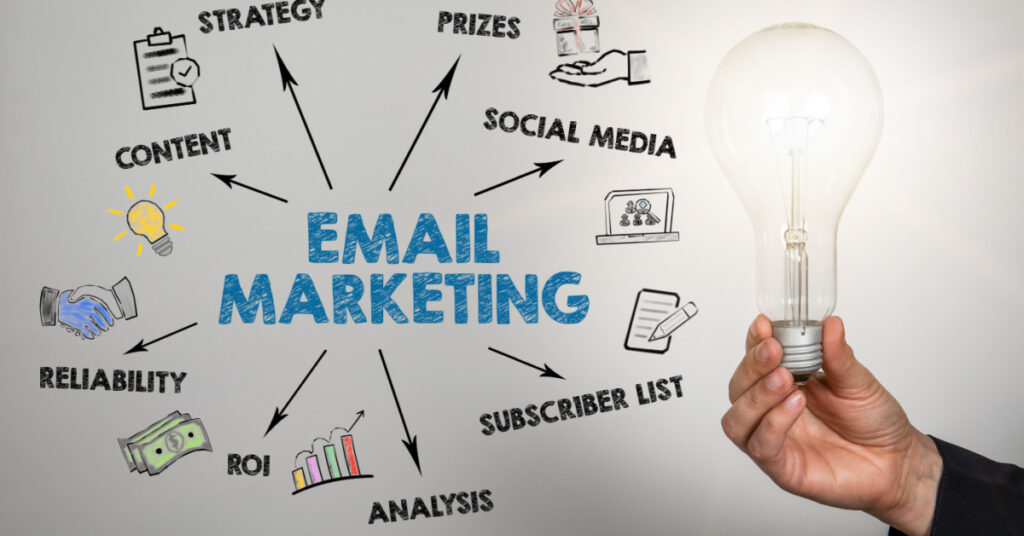
10 Email Marketing Strategies That Actually Work in 2025 Email marketing is still one of the most effective digital marketing channels, even in 2025. It helps businesses build relationships, increase sales, and stay connected with customers. But to get the best results, you need the right strategies. Many businesses send emails that no one opens or reads. This happens because their approach is outdated. In this article, you will learn 10 email marketing strategies that actually work in 2025 and how to use them to grow your business. 1. Personalization Beyond Name Tags Personalization is no longer just adding the customer’s name to an email. In 2025, customers expect emails that match their interests, behavior, and needs. How to do it:– Use customer data to recommend products– Send emails based on past purchases– Segment users by interests or browsing behavior When your emails feel personal, people are more likely to open and click. 2. Mobile-Optimized Email Designs Most people check their emails on their smartphones. If your email design is not mobile-friendly, your readers will delete it instantly. How to do it:– Use simple layouts– Add clear buttons instead of long links– Keep subject lines short– Use large fonts and easy-to-read text A mobile-optimized email increases engagement and conversions. 3. Interactive Emails (AMP Emails) Interactive emails are becoming more popular in 2025. They allow users to click, scroll, or even shop without leaving the email. Examples include:– Image sliders– Add-to-cart buttons– Live polls and surveys– Product carousels Interactive content increases engagement and makes emails more fun. 4. AI-Powered Email Automation AI is changing how businesses run email campaigns. With AI tools, you can send highly targeted messages automatically. How AI helps:– Send emails at the best time– Recommend products based on user behavior– Predict which users might unsubscribe– Automatically segment your list AI makes email marketing faster, smarter, and more effective. 5. Short, Value-Packed Emails People don’t want to read long emails. In 2025, short and crisp emails perform better. How to write value-packed emails:– Get straight to the point– Use bullet points– Highlight key benefits– Add clear call-to-action Your goal is to deliver value in seconds. 6. Strong Subject Lines Your subject line decides whether your email gets opened or ignored. A strong subject line creates curiosity and promises value. Tips for better subject lines:– Keep it short (5–7 words)– Use power words– Add urgency when needed– Personalize it Example:“Unlock Your Exclusive 20% Offer Today” 7. Segmenting Your Email List Not all subscribers want the same content. Sending the same email to everyone leads to low open rates. Segment your list by:– Age and location– Buying habits– Interests– Engagement level Targeted emails always perform better than mass emails. Do follow 8. Consistent Email Frequency Sending too many emails can annoy subscribers. Sending too few can make them forget your brand. Consistency is key. How to stay consistent:– Create a weekly or monthly email schedule– Stick to the same days and times– Track engagement and adjust timing if needed Consistency builds trust and increases open rates. 9. Clear and Compelling CTAs A call-to-action (CTA) tells your reader what to do next. Without a CTA, your email will not drive results. Good CTA examples:– “Shop Now”– “Claim Your Offer”– “Download the Guide”– “Book Your Free Consultation” Make your CTA stand out with buttons and bold text. 10. A/B Testing for Continuous Improvement The best email marketers test everything. A/B testing helps you understand what your audience likes. Things to A/B test:– Subject lines– Email layout– CTA buttons– Images– Sending times Testing helps you improve your results continuously. contact us Final Thoughts Email marketing in 2025 is all about personalization, value, automation, and engagement. If you follow these 10 proven strategies, your emails will get more opens, clicks, and conversions. Start with one strategy at a time and keep improving as you learn what works best for your audience. Email marketing is still a powerful tool, and with the right approach, it can help your business grow faster than ever.

Proven Email Marketing Strategies That Actually Work in 2025 Read More »

Website Mistakes

Top 10 Website Mistakes That Hurt Your SEO (and How to Fix Them in 2025)

Proven Website Mistakes That Hurt Your SEO    If your website is not ranking well on Google, you are not alone. Many businesses struggle with SEO because they don’t realize that small website mistakes can hurt their search performance. The good news is that most of these issues are easy to fix once you know what to look for. In this article, you will learn the top 10 website mistakes that damage your SEO and simple steps to fix them. 1. Slow Website Speed A slow-loading website is one of the biggest reasons for poor SEO. When your pages take too long to load, users leave quickly. Google sees this as a bad experience and lowers your rankings. How to Fix It:– Compress your images– Use a fast hosting provider– Enable browser caching– Use a CDN (Content Delivery Network) 2. Not Mobile-Friendly Most people browse the internet using their smartphones. If your site is not mobile-responsive, you will lose both visitors and rankings. Google now uses mobile-first indexing, so a mobile-friendly design is a must. How to Fix It:– Use a responsive theme– Test your website on different devices– Avoid large pop-ups that block mobile screens 3. Poor Quality Content Thin, outdated, or irrelevant content hurts SEO. Google wants helpful, informative, and well-structured content that solves user problems. How to Fix It:– Update old content regularly– Write in-depth articles that answer user questions– Use simple language and short sentences– Include visuals like charts and images 4. Missing or Weak Keywords If your content doesn’t target the right keywords, Google won’t understand what your page is about. Many websites skip keyword research or use irrelevant terms. How to Fix It:– Use tools like Google Keyword Planner or Ubersuggest– Add keywords naturally in titles, URLs, headings, and content– Avoid keyword stuffing 5. Broken Links Broken links create a bad user experience and make your site look poorly maintained. Google sees this as a quality issue. How to Fix It:– Check your site regularly using tools like Screaming Frog or Ahrefs– Fix or remove broken internal and external links– Redirect outdated URLs 6. Duplicate Content Duplicate content confuses search engines because they don’t know which version to index. This lowers your chances of ranking. How to Fix It:– Rewrite duplicate pages– Use canonical tags– Avoid copying content from other sites 7. Poor On-Page SEO Many sites forget basic SEO elements like meta titles, meta descriptions, header tags, and alt text. These signals help Google understand your content. How to Fix It:– Add unique title tags and meta descriptions– Use H1, H2, and H3 headings properly– Add alt text to all images– Keep URLs short and descriptive 8. No Internal Linking Strategy Internal links help Google crawl your site easily. Without them, Google may miss important pages and users struggle to navigate your site. How to Fix It:– Link related blog posts to each other– Add internal links to key service pages– Use keyword-rich anchor text naturally 9. Not Using Schema Markup Schema markup helps search engines understand your content better. It can also increase your chances of getting rich snippets, which boosts your click-through rate. How to Fix It:– Use schema for articles, products, FAQs, local businesses, etc.– Use tools like Google’s Structured Data Markup Helper– Test your schema using Rich Results Test 10. Ignoring Technical SEO:Website Mistakes Technical issues like unindexed pages, poor site structure, or missing sitemaps can block your SEO growth. How to Fix It:– Submit your sitemap in Google Search Console– Fix crawling issues– Make sure important pages are indexable– Improve website architecture by grouping related content Contact us Final Thoughts SEO is not just about keywords and backlinks. The overall health of your website plays a huge role in ranking. By fixing these top 10 website mistakes, you can improve user experience, drive more organic traffic, and boost your search rankings in 2025. Start with one issue at a time, and you will see steady improvements in your website’s performance.

Top 10 Website Mistakes That Hurt Your SEO (and How to Fix Them in 2025) Read More »

How to Use Google Ads to Get More Leads in 2025: A Complete Beginner-Friendly Guide

How to Use Google Ads to Get More Leads in 2025: A Complete Beginner-Friendly Guide Google Ads is one of the fastest ways to get leads for your business. Whether you run a local shop, online store, coaching business, or service-based company, Google Ads can help you reach the right people at the right time. But to get results in 2025, you must use the platform smartly. The competition is high, and cost per click is increasing. That means your campaigns must be well planned and well optimized. In this easy-to-read guide, you will learn how to use Google Ads to get more leads in 2025, even if you are a beginner. 1. Understand Your Target Audience Clearly Before you create any Google Ads campaign, you must know who your ideal customer is. Google Ads works best when your targeting and keywords match what your audience is searching for. Ask yourself: Who is my ideal customer? What problems are they trying to solve? What words or phrases will they type into Google? What locations are they searching from? In 2025, audience intent is more important than ever. Google’s AI systems prioritize relevance. When your ads match the search intent, you get higher quality leads at a lower cost. 2. Choose the Right Campaign Typ Google ads offers many campaign types, but not all of them are effective for lead generation. In 2025, these campaign types work the best: a) Search Campaigns These appear when users type something on Google. They are the most effective for high-intent leads. Example:If someone searches “digital marketing agency near me,” they are ready to talk to a service provider. b) Performance Max (PMax) Campaigns PMax campaigns run across all Google channels—YouTube, Search, Maps, Gmail, and Display. Google uses AI to find people who are most likely to convert. Great for: Local businesses E-commerce Service-based companies c) Lead Form Ads These allow users to submit details directly inside the ad. You get leads instantly without sending users to your website. 3. Use High-Intent & Long-Tail Keywords In 2025, using only broad keywords can waste your budget. Instead, focus on long-tail keywords that show strong buying intent. Examples: “best digital marketing agency in Delhi” “plumber service near me 24/7” “PPC expert for small business” “real estate agent for home buyers in Noida” Long-tail keywords: Have lower competition Cost less Bring more qualified leads Also use keyword match types wisely: Exact Match → Highest relevance Phrase Match → Balanced Broad Match → Use only with strong conversion data 4. Write Compelling Ad Copy Your ad copy must attract attention and convince users to click. A good Google Ad in 2025 must include: Your main keyword A strong benefit A clear call-to-action Something unique (USP) Example ad copy: “Get More Leads With Expert Digital Marketing. Affordable Pricing. Book a Free Consultation Today.” Tips: Use numbers (20% Off, 24/7 Support, 10+ Years Experience) Highlight trust factors (Ratings, Testimonials, Awards) Focus on the user’s problem and your solution 5. Use a High-Converting Landing Page Sending traffic to a weak landing page will waste your budget. Your landing page must be designed to convert. A high-converting landing page includes: A clear headline Short description Benefits list Testimonials or reviews Simple contact form Click-to-call button Fast loading speed Mobile-friendly design In 2025, Google gives higher quality scores to landing pages with better user experience. A higher quality score = lower cost per click. 6. Use Smart Bidding Strategies Google Ads now uses AI-based bidding. The right bidding strategy can bring more conversions. Best bidding strategies for leads: Maximize Conversions (for beginners) Maximize Conversion Value Target CPA (when you have enough conversion data) Target ROAS (for e-commerce) Tip:Start with Maximize Conversions and switch to Target CPA once you have at least 30–50 conversions. 7. Add Audience Signals (For PMax Campaigns) Audience signals help Google understand who your ideal customers are. Useful audience signals: People who visited your website Past buyers People searching for your competitors Custom intent keywords Providing strong audience signals increases lead quality. 8. Use Ad Extensions to Increase Clicks Ad extensions improve visibility and click-through rate. Important extensions for 2025: Call Extension Location Extension Lead Form Extension Sitelink Extension Callout Extension Structured Snippet These extensions make your ad bigger and more attractive on Google Search. 9. Track Every Lead Properly You must track: Calls Form submissions WhatsApp clicks Purchase or sign-ups Use: Google Tag Manager Google Analytics 4 (GA4) Offline Conversion Tracking (if applicable) Tracking helps you understand which keywords and ads are bringing the best leads. 10. Optimize Your Campaign Weekly Google Ads needs regular optimization. In 2025, these weekly checks are essential: Pause low-performing keywords Add new keywords Adjust bids Improve ad copy Update negative keywords Test new landing pages Small changes can reduce your cost per lead and improve campaign performance. Contact us  Final Thoughts Google Ads is still one of the most powerful lead generation tools in 2025. But success comes from strategy, not just spending money. When you understand your audience, choose the right keywords, write strong ads, and optimize regularly, you can get more high-quality leads without increasing your budget. Follow the steps in this guide, and you will start seeing better results from your Google Ads campaigns.

How to Use Google Ads to Get More Leads in 2025: A Complete Beginner-Friendly Guide Read More »

7 Proven Ways to Maximize ROI Using SEO vs PPC in 2025

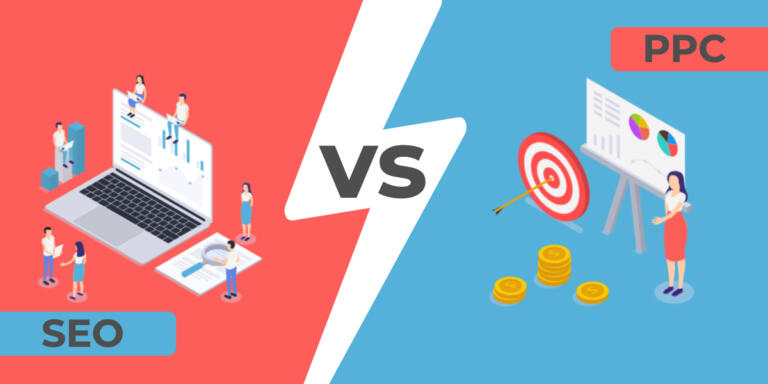
SEO vs PPC: Which One Is Better for Small Business?”   In today’s digital world, every small business wants to attract more customers online. But the big question is: Should you invest in SEO or PPC? Both are powerful digital marketing strategies, but they work in different ways. To choose the right one, you must understand how each method helps your business grow. This article explains what SEO and PPC are, their benefits, differences, and most importantly, which one is better for small businesses. What Is SEO? SEO (Search Engine Optimization) is the process of improving your website so it appears higher in organic search results on Google. When someone searches for your product or service, SEO helps them find your website without paying for each click. How SEO Works You optimise your website for keywords. You publish helpful content. You improve your site speed and user experience. You get backlinks from trusted websites. Over time, Google starts ranking your website higher. Advantages of SEO : SEO vs PPC Cost-effective in the long runYou don’t pay for every click, making SEO cheaper over time. Builds trust and credibilityPeople trust websites that appear naturally in Google search results. Brings consistent trafficOnce you rank, you enjoy continuous free traffic. Higher ROISEO gives a strong return on investment because it keeps attracting leads even when you stop active promotions. Disadvantages of SEO Takes time (3–6 months on average) Needs regular updates and content Requires technical and content expertise What Is PPC? : SEO vs PPC  PPC (Pay-Per-Click) is paid advertising where you pay each time someone clicks on your ad. Google Ads is the most popular PPC platform. Your ad appears at the top of the search results instantly — but you only stay there as long as you pay. How PPC Works You choose keywords to target. You set a budget for your ads. Your ads appear above SEO results. You pay Google for each click. Advantages of PPC Immediate resultsPerfect for new businesses that want fast visibility. Targeted advertisingYou can show ads to people in specific locations, age groups, and interests. Full control over budgetYou can start with a small budget and scale based on performance. Great for promotions and offersIf you have a limited-time deal, PPC brings fast traffic. Disadvantages of PPC Can become expensive if not managed properly Traffic stops when you stop paying High competition on popular keywords Requires continuous optimisation SEO vs PPC: Key Differences Feature SEO PPC Cost Free clicks Pay per click Time to See Results Slow (3–6 months) Fast (same day) Traffic Long-term Short-term Trust Level Higher Lower due to “Ad” tag Best For Long-term growth Quick results, promotions Which One Is Better for Small Businesses? The answer depends on your goals, budget, and timeline. Let’s break it down: ✔ Choose SEO if you want long-term growth SEO is ideal for small businesses because it gives: consistent traffic high brand credibility better ROI lower long-term costs If you want to dominate search results steadily and grow your brand online, SEO is a must. ✔ Choose PPC if you want fast results : SEO vs PPC If you need: instant leads immediate website traffic promotion for a new product or offer …then PPC is the better choice. It’s especially useful for new businesses that do not yet rank organically. ✔ Best Strategy: Use Both SEO and PPC Together While both can work separately, the best results come when you use SEO and PPC together. Here’s why: 1. You cover both paid and organic positions Your website dominates the search results, increasing trust and clicks. 2. You get short-term and long-term results PPC brings immediate leads SEO builds long-term authority 3. PPC data helps your SEO strategy You can see which keywords convert better and use them in your SEO content. 4. Higher brand visibility People see ads + organic results, making your business look more credible. Examples for Small Businesses: SEO vs PPC Local Restaurant SEO helps you rank for “best restaurant near me” PPC helps promote weekend offers instantly Home Services (Plumber, Electrician, etc.) SEO brings long-term bookings PPC gets urgent service calls E-commerce Store SEO improves product ranking PPC boosts sales during festivals and promotions Contact us Final Verdict: SEO or PPC? Both SEO and PPC are important for small business growth. If your goal is long-term visibility, choose SEO. If you need quick sales or leads, choose PPC. But the smartest approach is to combine both strategies. This gives your business strong online visibility, more traffic, and better conversions. Investing in digital marketing is no longer optional — it’s necessary. With a balanced mix of SEO and PPC, your small business can grow faster and stay ahead of competitors.

7 Proven Ways to Maximize ROI Using SEO vs PPC in 2025 Read More »

Call Now Button