The Ultimate Beginner’s Guide to Running Facebook and Instagram Ads in 2025 (Boost Your Business with Ease!)
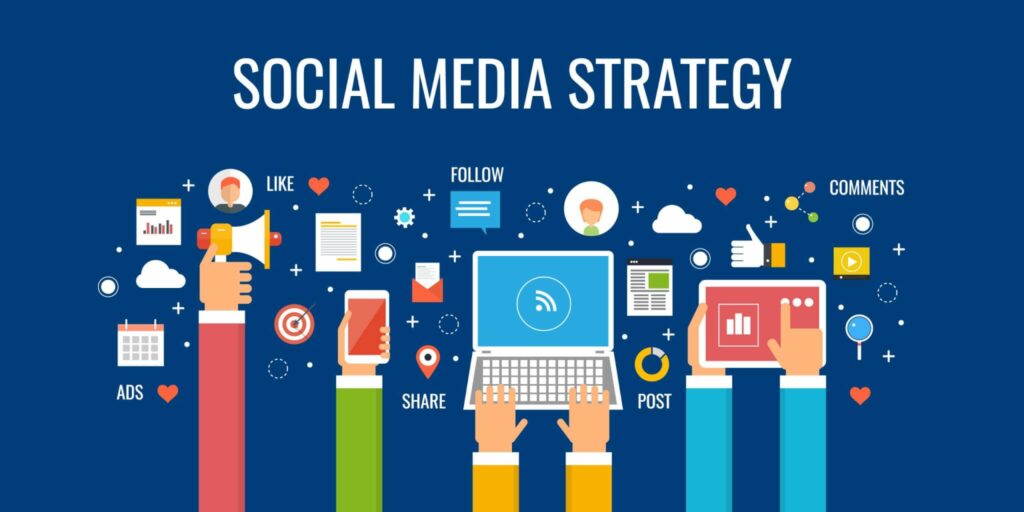
Beginner’s Guide to Run Facebook and Instagram Ads Social media advertising is one of the most effective ways to grow your business in 2025. Platforms like Facebook and Instagram provide powerful tools to reach your target audience, generate leads, and boost sales. However, if you are new to paid social advertising, it can feel overwhelming. This beginner’s guide will walk you through the basics of running Facebook and Instagram ads successfully and help you start your campaigns with confidence. 1. Why Advertise on Facebook and Instagram Facebook and Instagram have billions of active users combined, making them ideal platforms for businesses of all sizes. Benefits of social media ads:– Highly targeted audience based on demographics, interests, and behaviors– Cost-effective advertising with flexible budgets– Detailed analytics to track performance and optimize campaigns– Ability to drive traffic, leads, and sales directly from social media Advertising on these platforms allows you to connect with users where they spend most of their time online. 2. Create a Business Account Before running ads, you need a Facebook Business Manager account. Instagram ads are run through Facebook Ads Manager, so linking your Instagram account is essential. Steps to set up:– Go to Facebook Business Manager– Create a business account with your company information– Add your Facebook Page and link your Instagram account– Set up payment methods for ad campaigns A business account ensures that your ads run professionally and are trackable. 3. Define Your Advertising Goals Every ad campaign should start with a clear goal. Facebook and Instagram allow you to choose objectives that match your business needs. Common goals include:– Brand awareness: Reach more people and increase visibility– Traffic: Drive users to your website or landing page– Engagement: Get more likes, comments, and shares– Lead generation: Collect emails and contact information– Sales or conversions: Increase purchases of your products or services Choosing the right goal ensures your ads are optimized for the desired outcome. 4. Understand Your Target Audience Targeting is the strength of Facebook and Instagram advertising. To make your campaigns effective, define your audience carefully. Targeting options include:– Demographics: Age, gender, location, and language– Interests: Hobbies, pages liked, and online behavior– Custom audiences: Upload your existing customer list– Lookalike audiences: Reach people similar to your best customers Precise targeting ensures that your ads are shown to the people most likely to take action. 5. Design Eye-Catching Ads Your ad creative is what grabs attention. Both visuals and copy must be appealing and aligned with your brand. Tips for ad design:– Use high-quality images or short videos– Keep text concise and clear– Include a strong call-to-action (CTA)– Match your ad style to the platform (Instagram is more visual, Facebook allows more text) Good creative increases engagement and improves your ad performance. 6. Set Your Budget and Schedule Facebook Ads Manager allows you to control how much you spend and when your ads run. Budget options:– Daily budget: Spend a fixed amount each day– Lifetime budget: Spend a set amount over the campaign duration Scheduling tips:– Test different times of the day for ad delivery– Run ads during peak hours for your target audience Starting with a small budget is ideal for beginners to learn and optimize without overspending. 7. Track and Measure Results Monitoring ad performance is key to improving results. Facebook Ads Manager provides detailed metrics for each campaign. Important metrics to track:– Impressions: How many people saw your ad– Click-through rate (CTR): How many clicked your ad– Cost per click (CPC): How much each click costs– Conversions: How many users completed the desired action– Return on ad spend (ROAS): Revenue generated vs. ad cost Analyzing these metrics helps you understand what works and what needs improvement. 8. Test and Optimize Your Ads No ad is perfect on the first try. Testing and optimization are critical to getting the best results. Optimization tips:– Run A/B tests for images, videos, copy, and CTAs– Adjust targeting based on audience performance– Pause underperforming ads and increase budget on successful ones– Experiment with ad formats like carousel, stories, and reels Continuous testing ensures that your campaigns become more effective over time. 9. Use Retargeting Retargeting is one of the most powerful strategies in social media advertising. It allows you to reach people who have already interacted with your business. Retargeting strategies:– Show ads to website visitors who didn’t purchase– Target people who engaged with your social media posts– Offer special discounts or promotions to warm leads Retargeting increases the chances of conversion because you are reaching users already familiar with your brand. 10. Stay Updated with Trends Facebook and Instagram frequently update their ad platforms. Staying informed about new features, ad formats, and best practices ensures your campaigns remain effective. Tips:– Follow official Facebook Business and Instagram blogs– Join online communities for marketers– Test new ad formats and tools as they are released Keeping up with trends helps you maintain a competitive edge in 2025. Contact us Final Thoughts Running Facebook and Instagram ads can be highly effective for businesses in 2025. By setting clear goals, understanding your audience, creating engaging ads, and continuously optimizing campaigns, beginners can achieve measurable results. Start small, test different strategies, and scale your efforts as you gain confidence. Social media advertising is a skill, and with patience and practice, it can become one of your most powerful tools to grow your business online.